

Ultimate Guide to Preventing Legionella in Healthcare Cooling Towers
Introduction: Why Legionella Control Matters
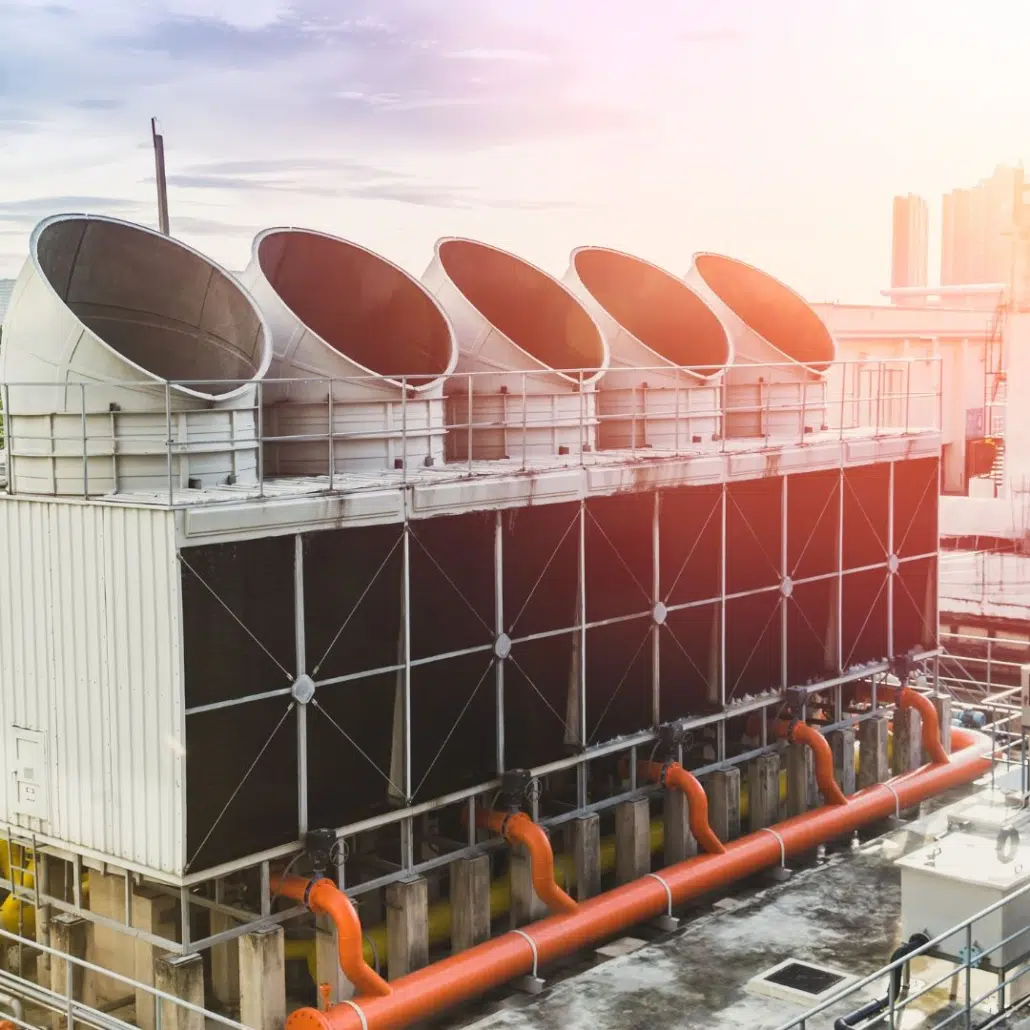
Cooling towers and boilers are the unsung heroes of hospitals and health‑care facilities, quietly expelling heat and providing steam for sterilization and HVAC systems. Yet these very systems can become breeding grounds for Legionella pneumophila—a pathogen that causes Legionnaires’ disease, a severe pneumonia that is fatal in roughly 5–15 % of cases. In October 2025, the Illinois Department of Public Health (IDPH) announced a cluster of Legionnaires’ cases linked to a skilled nursing facility in Bloomingdale. Environmental sampling identified Legionella pneumophila in the facility’s cooling tower and the resident’s room, prompting immediate remediation and water restrictions. Just weeks earlier, New York City’s Department of Health was investigating a community cluster in Harlem with over 113 confirmed cases and six deaths; testing identified positive results from twelve cooling towers, all of which required disinfection. These incidents underscore a stark reality: poorly maintained cooling towers and boilers can aerosolize Legionella and other opportunistic pathogens, putting patients and staff at risk.
For facility managers and engineers, preventing Legionnaires’ outbreaks is not just about compliance—it’s about protecting vulnerable populations. People over 50, smokers, and those with chronic lung disease or weakened immune systems are at increased risk. Hospitals and long‑term care centers house large numbers of susceptible individuals, making robust water management programs a mission‑critical responsibility. This guide explores the mechanisms that allow Legionella to thrive, the benefits of comprehensive water treatment, best practices drawn from standards like ASHRAE 188 and CDC toolkits, and how sustainability and vertical integration can help modern health‑care facilities stay ahead of regulatory requirements.
Understanding Legionella and Cooling Tower Risks
Legionella ecology. Legionella bacteria occur naturally in freshwater environments but can proliferate in warm, stagnant water (25–45 °C) that is inadequately disinfected. Buildings with complex water systems—hospitals, long‑term care facilities, hotels and data centers—provide multiple growth opportunities: potable water lines, hot‑water tanks, decorative fountains and particularly evaporative cooling towers, which disperse aerosols over wide areas. The risk is highest when biofilms form on tower fill media, allowing Legionella to resist conventional disinfectants.
Outbreaks in 2025. The 2025 outbreaks illustrate how quickly Legionella can spread when cooling towers are not properly managed. In the Illinois cluster, IDPH required a comprehensive assessment of the facility’s water systems and additional testing to confirm remediation. In New York City, the Department of Health sampled and tested water from cooling towers in five zip codes; any towers with positive results were treated and monitored. The investigation emphasized that the illnesses were not linked to building plumbing but rather to aerosolized Legionella from cooling towers, highlighting the importance of strict maintenance protocols. The National Collaborating Centre for Environmental Health noted that most outbreak‑related deaths are linked to evaporative cooling towers and that major outbreaks in 2025 in London, Ontario and New York City underscore the need to review drivers of Legionella growth and improve control measures.
Health impacts and liability. Legionnaires’ disease primarily affects older adults or those with compromised immunity, but outbreaks can have severe legal and financial consequences. In New York, litigation followed the 2025 Harlem outbreak, with plaintiffs alleging failure to maintain towers. Following earlier outbreaks, the city enacted Local Law 77, requiring registration, regular testing and reporting of all cooling towers; amendments in 2019 strengthened reporting requirements. Health departments now expect facilities to implement water management programs, monitor Legionella levels and document corrective actions.
Applications & Benefits of Effective Water Treatment
Protecting patients and staff
For hospitals and long‑term care facilities, the most obvious benefit of effective water treatment is protecting patients and staff from waterborne pathogens. When IDPH detected Legionella in the Bloomingdale nursing facility, they imposed water restrictions and remediation procedures. A robust treatment program prevents such emergencies by controlling microbial growth before it reaches dangerous levels. Continuous disinfection, filtration, and biocide programs in cooling towers remove organic nutrients and biofilms that shelter bacteria. Maintaining proper boiler water chemistry—controlling pH, alkalinity, hardness and dissolved oxygen—reduces corrosion and scale, minimizing the potential for dead legs or stagnant zones where Legionella can colonize.
Enhancing operational efficiency
Cooling towers and steam boilers operate most efficiently when water quality is controlled. Biofouling, scaling and corrosion reduce heat transfer, forcing chillers and boilers to work harder. In data centers, water use and energy consumption are tightly linked; air‑cooling can account for up to 40 % of power demand. In Texas, researchers estimate that existing data centers will consume approximately 25 billion gallons of water (0.4 % of the state’s total use) in 2025, with demand potentially rising to 2.7 % by 2030. Although hospitals consume far less water than hyperscale data centers, water‑efficient cooling systems reduce operational costs and free up capacity in municipal systems. Properly treated tower water reduces blowdown volumes, chemical consumption and discharge fees.
Extending equipment life and reducing downtime
Corrosion, scaling and microbial fouling shorten the life of heat exchangers, chillers and steam lines. Water treatment programs that maintain corrosion inhibitor residuals, control total dissolved solids (TDS) and employ sidestream filtration can extend equipment life by years. When New York City’s investigation found twelve cooling towers positive for Legionella, the affected buildings not only faced remediation costs but also potential equipment shutdowns. By contrast, facilities that proactively clean and disinfect towers per ASHRAE and CDC guidelines minimize downtime and avoid costly emergency repairs.
Best Practices for Legionella Prevention
1. Develop and Implement a Water Management Program (WMP)
Standards organizations like ASHRAE, CDC and the Association of State and Territorial Health Officials (ASTHO) stress that every facility with potable water and cooling equipment should have a documented WMP. The CDC’s toolkit for controlling Legionella in common sources of exposure covers potable water, cooling towers, hot tubs, decorative fountains and other devices. A WMP should:
- Map the water system: Identify all equipment, piping, tanks, heat exchangers and endpoints. Pay attention to seldom‑used outlets and cross‑connections.
- Assess risk: Evaluate which devices create aerosols, operate at Legionella‑friendly temperatures (25–45 °C) or serve vulnerable populations.
- Set control limits: Define acceptable ranges for disinfectant residuals, temperature, pH, conductivity and microbiological counts.
- Establish monitoring and corrective actions: Determine sampling frequency, analytical methods (culture vs. PCR), and actions triggered by out‑of‑range results. For example, if total bacterial counts exceed 10⁴ CFU/mL, towers may require cleaning, shock disinfection and retesting.
- Document and train: Keep detailed records of inspections, maintenance, test results and corrective actions. Train staff to recognize signs of biofouling, scaling or drift and to respond appropriately.
2. Maintain Continuous Disinfection and Biofilm Control
Oxidizing biocides, such as sodium hypochlorite, chlorine dioxide and bromine, are widely used to control microbial growth. Many facilities implement dual biocide programs—alternating oxidizing and non‑oxidizing biocides—to prevent adaptive resistance. Key practices include:
- Maintain residual disinfectant: Ensure free chlorine or bromine residuals remain within target ranges (e.g., 0.5–1 mg/L for continuous feed) and adjust dosage based on demand.
- Use secondary disinfection: For potable water, hospitals may employ secondary chlorination or monochloramine systems to maintain disinfectant throughout distribution. Secondary disinfection is particularly valuable when municipal supplies use chloramine and residuals degrade before reaching the facility.
- Control biofilm nutrients: Use dispersants and bio-dispersants to remove organic fouling that protects bacteria. Implement sidestream filtration to remove suspended solids and maintain low turbidity.
3. Manage Scale, Corrosion and Fouling
Cooling and boiler water chemistry must balance pH, hardness, alkalinity and dissolved solids to prevent scale and corrosion. Best practices include:
- Softening or reverse osmosis (RO) to reduce calcium and magnesium hardness, which cause scale in heat exchangers and boilers.
- Neutralizing amines and oxygen scavengers (e.g., sodium sulfite, hydrazine alternatives) in boiler feedwater to control pH and dissolved oxygen.
- Automatic blowdown control: Conductivity‑based blowdown controllers maintain optimal cycles of concentration, limiting TDS and solids without wasting water. Facilities like the upcoming Greene County, PA data center will rely on a new 18 million gallons per day water treatment plant that draws raw water from the Monongahela River—the plant’s effectiveness hinges on controlling mineral content and corrosion inhibitors before water enters the cooling systems.
4. Inspect, Clean and Maintain Equipment
A WMP is only effective when coupled with regular inspection and cleaning. Recommendations include:
- Quarterly tower inspections: Inspect drift eliminators, basin sludge, fill media and fans for scale, corrosion, algae and slime. At a minimum, clean and disinfect towers twice per year (pre‑season and mid‑season).
- Annual deep cleaning: Drain and physically clean tower basins, fill and distribution decks; remove scale and biofilm; inspect mechanical components; and refill with treated water. For steam boilers, perform annual internal inspections, checking tubes for deposits and corrosion.
- Monitor mechanical integrity: Check for leaks, proper operation of valves and make‑up water systems, and ensure drift eliminators are intact to prevent aerosol release.
5. Use Digital Monitoring and Remote Sensing
Digitalization allows facility engineers to proactively manage water treatment. Sensors monitor pH, conductivity, ORP (oxidation‑reduction potential), temperature and flow, sending real‑time data to a central dashboard. Automated dosing ensures consistent chemical feed and alarms notify staff of deviations. Remote monitoring becomes especially valuable in multi‑facility health systems or off‑site data centers where personnel cannot inspect equipment daily.
Sustainability, Compliance and Emerging Technologies
Reducing Water Consumption
Water scarcity is becoming a global concern. The Texas Tribune reports that data centers may push the state’s water consumption to the brink, consuming millions of gallons per year. Hospitals should not ignore this context. Emerging technologies for cooling towers include:
- Closed‑loop or hybrid systems: Instead of evaporative towers, closed‑loop systems circulate water or refrigerant in a sealed circuit, minimizing evaporation. The Abilene Stargate project will use a closed‑loop system; after an initial fill of 8 million gallons, additional water requirements are expected to be modest.
- Advanced filtration and water reuse: Side‑stream sand filters, ultrafiltration and reverse osmosis units can reduce blowdown volumes by removing impurities. Some district cooling systems, such as Dubai’s, use treated sewage effluent as make‑up water for towers—a model that can be adapted for hospitals, provided strict pathogen controls are in place.
- Variable‑speed drives and high‑efficiency fans: Upgrading mechanical equipment reduces energy demand and indirectly lowers water consumption by reducing heat load.
Regulatory Compliance
Regulatory frameworks are tightening. In New York, Local Law 77 mandates registration, quarterly inspections and sampling of all cooling towers. States and municipalities increasingly require health‑care facilities to report water management plans and test results. ASHRAE Standard 188 outlines minimum requirements for risk assessment, control measures and documentation. The CDC toolkit provides plain‑language guidance for implementing these standards. Failing to comply can lead to fines, lawsuits and, more importantly, preventable illnesses and deaths.
Integrating with District Cooling and Emerging Systems
Many hospitals are situated in cities exploring district cooling—centralized systems that deliver chilled water to multiple buildings. According to Danfoss experts, district cooling plants use cooling towers or natural heat sinks such as rivers, lakes or the sea to produce chilled water, which is distributed via insulated pipes. This centralized approach offers economies of scale, professionalized maintenance and lower refrigerant leakage. District cooling can integrate with renewable energy and thermal energy storage, reduce carbon emissions and use alternative water sources such as treated effluent. For hospitals, connecting to a district cooling system can eliminate on‑site cooling towers altogether, lowering Legionella risk and freeing up rooftop space. However, adoption requires long‑term planning, supportive regulation and investment.
Partnering with Chemstar WATER
Chemstar WATER’s vertically integrated approach combines chemical expertise, equipment manufacturing, digital monitoring and field service to deliver comprehensive water treatment solutions. Our programs are tailored to mission‑critical facilities—hospitals, data centers, life‑science campuses and district energy networks—where uptime, safety and compliance are non‑negotiable.
Integrated water management: We design custom water management programs that align with ASHRAE 188 and CDC guidance, ensuring your facility meets all regulatory requirements. Our specialists map your water systems, set control limits, select appropriate biocides and inhibitors, and implement automation to maintain consistent water chemistry. For hospitals considering supplemental disinfection, we provide secondary chlorination or monochloramine systems with real‑time ORP monitoring.
Advanced equipment and automation: Chemstar WATER manufactures ultra‑efficient cooling tower controllers, boiler skids, side‑stream filters and remote sensors. Data collected from these devices feeds into our Cloud Connect™ platform, which provides live dashboards and predictive analytics. Facility engineers can access key performance indicators (KPIs) across sites, receive alerts when parameters drift out of range, and generate compliance reports automatically.
Sustainability and resource efficiency: Leveraging water‑saving technologies such as closed‑loop cooling, reverse osmosis recycling and microbiome monitoring, we help customers reduce blowdown volumes, chemical usage and energy consumption. Our vertical integration allows us to optimize the entire water cycle—from make‑up water pre‑treatment to condensate recovery—delivering measurable reductions in operating costs and carbon footprint.
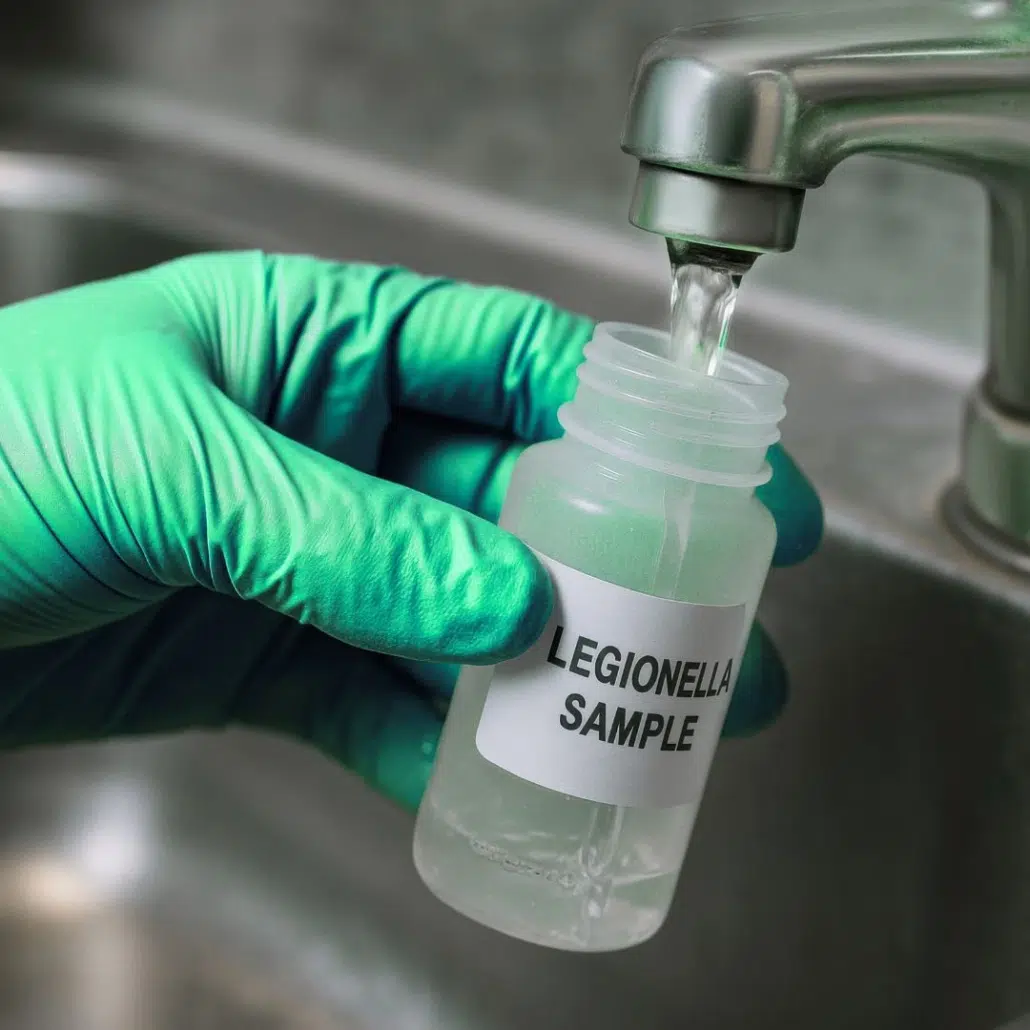
Expert support and training: Our field engineers, many of whom hold degrees in chemical engineering, microbiology or water resources, provide on‑site audits, Legionella testing and emergency response. We offer training sessions for maintenance staff to recognize early signs of fouling or system distress and to properly collect and handle water samples. When outbreaks occur in nearby communities—as seen in Illinois and New York—Chemstar WATER teams can assess your systems, implement remedial actions and liaise with health departments.
What’s in it for Facility Managers and Engineers?
- Reduced risk: By proactively controlling Legionella and other pathogens, you protect patients and staff, avoid legal liabilities and maintain your organization’s reputation.
- Lower costs: Optimized water treatment reduces energy consumption, extends equipment life and minimizes unplanned downtime.
- Regulatory compliance: With a documented WMP and digital reporting, you can demonstrate compliance with ASHRAE 188, Local Law 77 and other regulations.
- Future‑proofing: Implementing sustainable technologies and exploring district cooling partnerships positions your facility for a carbon‑constrained future.
Conclusion
Recent Legionella outbreaks in Illinois and New York remind us that cooling towers and boilers can become public health hazards when neglected. For health‑care facilities, where vulnerable patients reside, the stakes are particularly high. Implementing a comprehensive water management program—encompassing continuous disinfection, corrosion and scale control, rigorous monitoring, and regular cleaning—is non‑negotiable. Emerging technologies like closed‑loop cooling and district cooling offer pathways to reduce water consumption and emissions while improving reliability. By partnering with a vertically integrated provider like Chemstar WATER, facility managers and engineers can transform water treatment from a compliance obligation into a strategic advantage.